
The Abbey Without Nuns
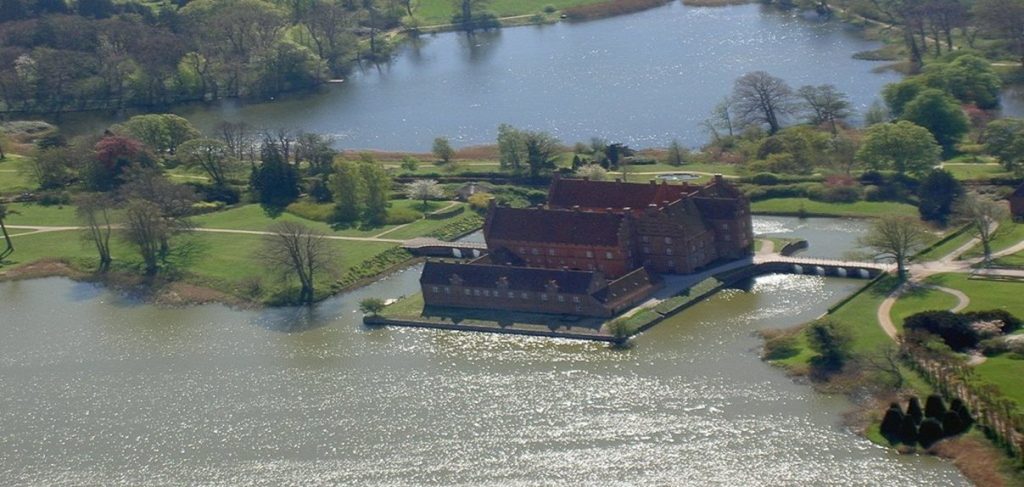
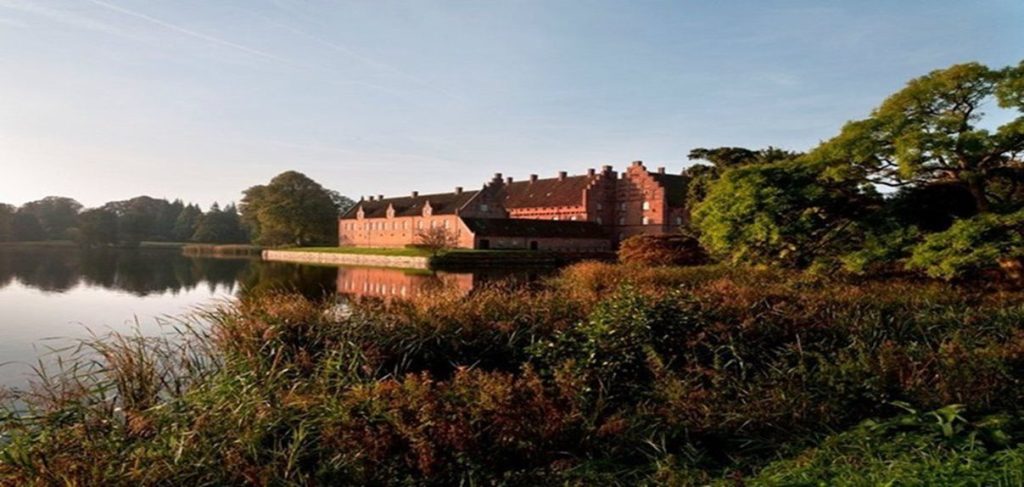
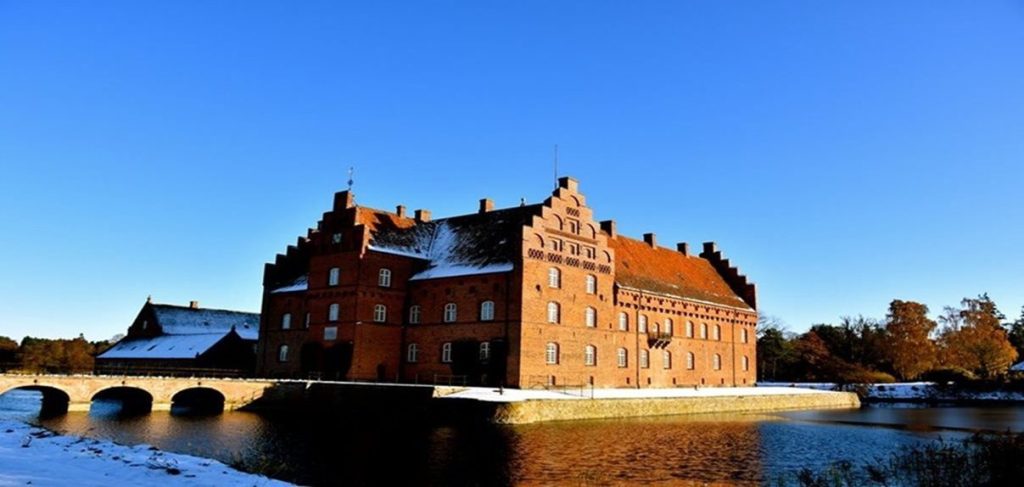
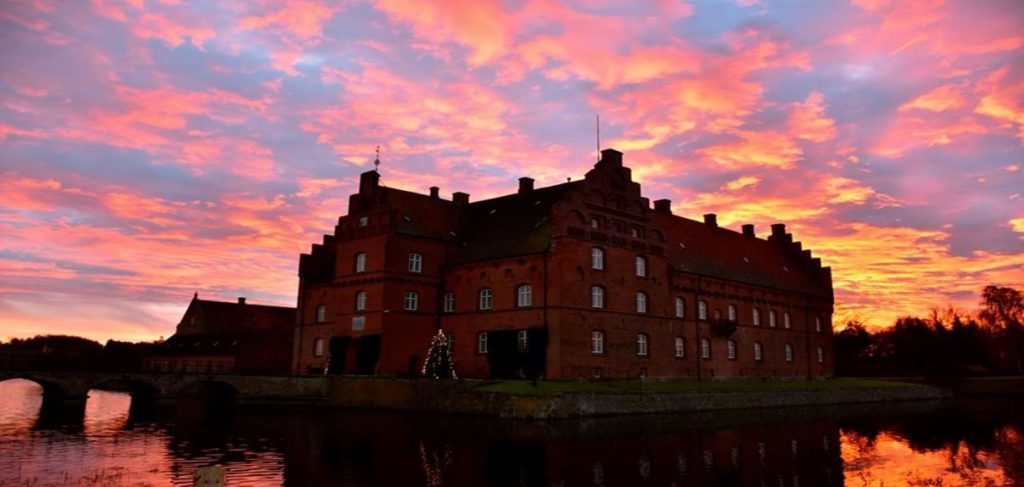
In one of Zealand's most beautiful landscapes lies Gisselfeld Monastery, one of Denmark's oldest and best-preserved Renaissance castles. The name can be traced back to the year 1370, but Gisselfeld in its current form was founded by Peder Oxe, who built the castle between 1547 and 1575.
I 1701 bestemte Christian Gyldenløve, søn af Kong Christian V, at Gisselfeld skulle gøres til et kloster, hvor adelige jomfruer og en abbedisse skulle tilknyttes klosteret. Disse planer blev dog aldrig ført ud i livet, men navnet – Gisselfeld Kloster – er hængt ved lige siden.
Today, part of the Castle is privately inhabited by Director General Helene Danneskiold-Samsøe, while other parts of the main building can be visited by the public in connection with guided tours.
A historic defence facility
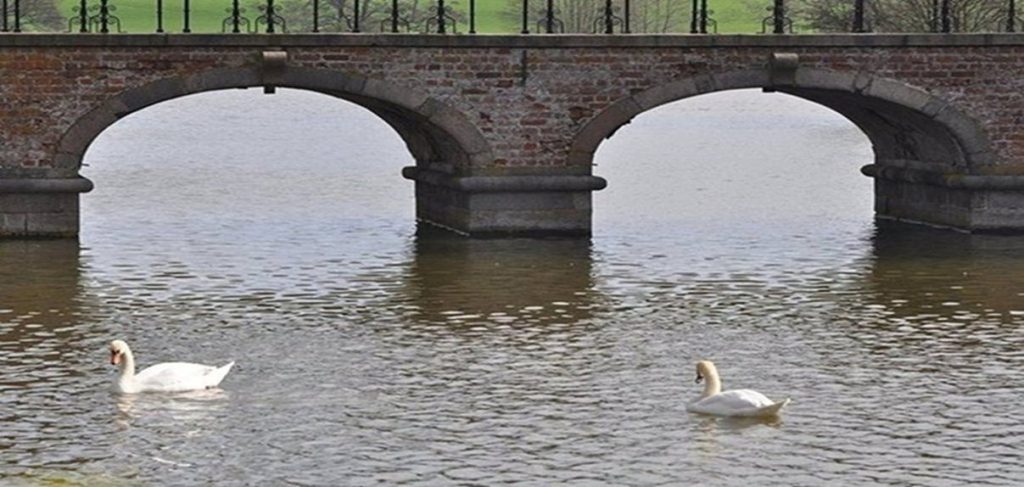
Due to the turbulent times surrounding the Count's Feud in 1534, Gisselfeld was built as a defensive structure with a ring wall, drawbridges, embrasures, murder holes, and a moat.
Gisselfeld was surrounded by moats on three sides, on the north side by the so-called Gårdsø. For a period – at the beginning of the 19th century – Gisselfeld was renovated and whitewashed, before it – between 1869 and 1874 – once again regained its original red brickwork.
From one of the rooms in the left wing, a secret staircase allegedly led to a cellar room where Peder Oxe was said to have hidden before he – after falling into disgrace – travelled abroad.